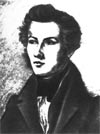
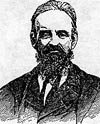
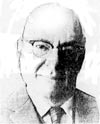
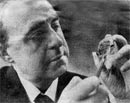
Hermann Samuel Reimarus (1694–1768)
Opplysningstidsfilosof og professor i orientalske språk ved Hamburg Gymnasium. I 1778, etter hans død, ble «On the Intention of Jesus and His Teachings» utgitt. Her avviser han «åpenbarelsesreligion» og argumenterer for en naturalistisk deisme. Reimarus anklaget evangelieforfatterne for bevisst svindel og utallige selvmotsigelser.
Francois Marie Arouet (Voltaire) (1694–1778)
Den mest inflytelsesrike personen i opplysningstiden ble utdannet ved en jesuittskole, men konkluderte: «Kristendommen er den mest latterlige, mest absurde og blodigste religion som noen gang har infisert verden ... Den sanne Gud kan ikke vært født av en jente, ha dødd på et kors, ei heller kan han spises som en deigklump.» Voltaire ble fengslet, dømt til eksil, verkene hans ble bannlyst og brent. Populariteten hans i det revolusjonære Frankrike sikret ham en plass i Panthéon i Paris. Religiøse ekstremister stjal levningene hans og dumpet dem på en søppelplass.
Grev Constantine Volney (1757–1820)
Forsker fra Napoleonstiden som i «Les Ruines; ou, Méditation sur les révolutions des empires» (1787) fant bevis for egyptiske forløpere for kristendommen.
Edward Evanson (1731–1805)
Engelsk rasjonalist som i boken «The Dissonance of the Four Generally Received Evangelists and the Evidence of their Respective Authenticity» (1792) mente det fjerde evangeliet ikke var forfattet av en apostel, og avviste flere av Paulus’ brev som forfalskninger.
Charles François Dupuis (1742–1809)
Gav en astral-mytisk tolkning av kristendommen (og alle religioner) i «Origine de tous les Cultes, ou La Réligion universelle» (1794). «En stor løgn er lettere å spre enn en stor sannhet, fordi det er lettere å tro enn å resonere, og fordi folk foretrekker romantiske fortellinger framfor historie.» Dupuis ødela det meste av sine egne verker på grunn av den voldsomme reaksjonene de skapte.
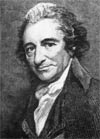
Thomas Paine (1737–1809)
Løpeseddelforfatter som var den første til å kreve uavhengighet for Amerika, i «Common Sense» (1776) og «Rights of Man» (1791). I «The Age of Reason» (1795) latterliggjorde han selvmotsigelsene og grusomhetene i Bibelen. Som mange andre amerikanske revolusjonære var Paine deist: «Jeg tror ikke på det som forkynnes i den jødiske, romerske, greske, tyrkiske eller protestantiske kirke, eller noen annen kirke jeg vet om ... Hver av disse kirkene anklager de andre for vranglære, og for min egen del tror jeg ikke på noen av dem.» (Fra «The Age of Reason».)
Robert Taylor (1784–1844)
Taylor ble fenglset for å skrive om det mytiske opphavet til kristendommen, i «Syntagma Of The Evidences Of The Christian Religion» (1828) og «Diegesis» (1829). «De tidligste kristne mente at ordene ikke var annet en en personifisering av prinsippene fornuft og godhet, eller hvilket som helst annet prinsipp som menneskeheten mest kan dra nytte av gjennom livet.»
Godfrey Higgins (1771–1834)
Engelsk frimurer og pioner innen arkeologi. Skrev «Anacalypsis – An Attempt to Draw Aside the Veil of the Saitic Isis; or an Inquiry into the Origin of Languages, Nations and Religions» (1833, utgitt 1836).
Bruno Bauer (1809–1882)
Den førske ikonoklast. Bauer var kritisk til ektheten av samtlige Paulus-epistler (som han så som påvirket av stoiske tenkere som Seneca) og identifiserte Philos’ rolle i den gryende kristendommen. Bauer avviste at Jesus var historisk. «Alt som er kjent om Jesus hører til i fantasiens verden.» Resultatet var at Bauer ble latterliggjort og i 1842 ble han fjernet fra sitt professorat i NT-teologi ved Tübingen.
Skrev «Criticism of the Gospel History of the Synoptics» (1877) og «Christus und die Caesaren. Der Hervorgang des Christentums aus dem romischen Griechentum».
Ralph Waldo Emerson (1803–1882)
Tidligere trinitær-kristen og unitar-prest, som mente av Jesus ikke er Gud, men «sann profet», og at organisert kristensom er et «østlig monarki»: «Søndagsskolene, kirkene, og pave-samfunnene våre er åk på våre skuldre.» Fra «Essays» (1841).
Mitchell Logan
Fra «Christian Mythology Unveiled» (1842): «Den rådende oppfatning, uansett hvor feil eller absurd, er alltid dronning over nasjonene.»
Ferdinand Christian Baur (1792–1860)
Tysk akademiker som i «Paulus, der Apostel Jesu Christi» (1845) kalte pastoralbrevene (Paulus' første og andre brev til Timoteus og Paulus' brev til Titus) uekte, og trakk samme konklusjon angående brevene til kolosserne, efeserne, Filemon og filipperne. Dette etterlot kun de fire hoved-epistlene fra Paulus som genuine. Baur var grunnleggeren av den såkalte «Tübingen-skolen» av teologer.
David Friedrich Strauss (1808–1874)
Luthersk prest som ble akademiker. Han avslørte med stor dyktighet i «The Life of Jesus Critically Examined» (1860) at miraklene i evangeliene er myter, og reduserte samtidig Jesus til en vanlig mann. Det kostet ham karrieren.
Ernest Renan (1823–1892)
Utdannet katolsk prest. Renan skrev «Das Leben Jesu» (1863), en romantisert biografi av gudemannen, inspirert av de tyske kritikerne. Det kostet ham jobben.
Robert Ingersoll (1833–1899)
Med sine talegaver skoldet han kristen religion. «Jeg har alltid syntes at en skapning fra en annen verden med et uendelig viktig budskap til menneskeheten, i det minste burde verifisert budskapet med sin egen signatur. Er det ikke vidunderlig at ikke et eneste ord ble skrevet av Kristus?» Fra «The Gods» (1872).
Kersey Graves (1813–1883)
Kveker fra Pennsylvania som gjennomskuet kristne fabrikasjoner og så den naturreligiøse basisen, i «The World's Sixteen Crucified Saviours» (1875). Blir sjelden sitert på grunn av sine langtrekkende konklusjoner.
Allard Pierson (1831–1896)
Teolog, kunsthistoriker og litteraturhistoriker som viste at Bergprekenen er en samling aforismer fra jødisk visdoms-litteratur. Med Piersons «De Bergrede en andere synoptische Fragmenten» (1879) startet den Nederlandske radikale kritikken. Han stilte spørsmål ikke bare ved alle Paulus-brevene, men ved den historiske eksistensen til selve Jesus.
Bronson C. Keeler
Skrev i 1881 «A Short History of the Bible», en klassisk avsløring av kristen svindel.
Abraham Dirk Loman (1823–1897)
Professor i teologi ved Amsterdam som sa at alle epistlene ble skrevet i det andre århundret i artikkelen «Quaestiones Paulinae» (1882, tidsskriftet Theologisch Tijdschrift). Loman forklarte kristendom som en sammensmelting av jødisk og romersk-gresk tenkning. Da han ble blind sa Loman at dette gav ham innsikt i kirkens mørke historie.
Thomas William Doane
Skrev «Bible Myths and their Parallels in Other Religions» (1882), en gammel, klassisk sammenligning av likhetene mellom naturreligioner og bibelske myter og mirakler.
Samuel Adrianus Naber
Klassisist som så greske myter gjemt i kristne skrifter. «Verisimilia. Laceram conditionem Novi Testamenti exemplis illustrarunt et ab origine repetierunt» (1886).
Gerald Massey (1828–1907)
Nok en klassiker fra en tidlig fiende av presteskapet. Britisk egyptolog som skrev seks bind om religion i det gamel Egypt. «Historical Jesus and Mythical Christ» (1886). «Ancient Egypt – The Light of the World» (1907).
Edwin Johnson (1842–1901)
Engelsk radikal teolog som identifiserte de tidlige kristne som Chrestiani, tilhengerne av en god (Chrestus) Gud som hadde stjålet mytene om Dionysos Eleutherios («Dionysos Frigjøreren») for å lage en selv-ofrende Gudemann. Avskrev de tolv apostlene som komplett fabrikasjon. «Antiqua Mater: A Study of Christian Origins» (1887).
Rudolf Steck
Radikal sveitsisk akademiker som stemplet alle Paulus-epistlene som forfalskninger. «Der Galaterbrief nach seiner Echtheit untersucht nebst kritischen Bemerkungen zu den Paulinischen Hauptbriefen» (1887).
Franz Hartman (1838–1912)
«The Life of Johoshua: The Prophet of Nazareth» (1889).
Willem Christiaan van Manen
Professor ved Leiden og den mest kjente av De nederlandske radikale, en mann av kirken som ikke trodde på den kroppslige gjenoppstandelsen til Jesus Kristus. Etter å ha motsagt argumentene i mange år, konkluderte van Manen til slutt med at ingen av Paulus-brevene er ekte, og at Apostlenes gjerninger er avhengige av verkene til Josephus. «Paulus» (1896).
Joseph McCabe (1867–1955)
Fransiskaner-munk som ble evangelisk ateist. En produktiv forfatter som rev i stykker mange av de kristne legendene. «Det er ingen ‘Jesus’ i evangeliene. Det er et dusin ‘Jesuser’.» Men han fortsatte likevel å tro på en historisk grunnlegger. «Why I Left the Church» (1897). «The Bible in Europe: an Inquiry into the Contribution of the Christian Religion to Civilization» (1907). «The Sources of the Morality of the Gospels» (1914).
Albert Schweitzer (1875–1965)
Den kjente tyske teologen og misjonæren (35 år i Kamerun), latterliggjorde de liberales humanitære Jesus og hadde samtidig mot til å anerkjenne arbeidet til De nederlandske radikale. Hans egne pessimistiske konklusjon var at superhelten hadde vært en apokalypse-fanatiker og at Jesus døde som en skuffet mann. Sa de berømte ord om at de som leter etter en historisk Jesus bare vil finne et speilbilde av seg selv. «The Mystery of the Kingdom of God» (1901). «The Quest of the Historical Jesus» (1906).
Wilhelm Wrede (1859–1906)
Wrede viste hvordan en falsk historie ble skapt av de tidlige kristne i Markus-evangeliet. «The Messianic Secret» (1901).
George Robert Stowe Mead (1863–1933)
Skrev «Did Jesus Live 100 BC?» (1903), en tolkning av de jødiske Jeschu-historiene som flytter Jesus tilbake til en tidligere tid.
Thomas Whittaker
Erklerte at Jesus er en myte i «The Origins of Christianity» (1904).
William Benjamin Smith (1850–1934)
Argumenterer for at opphavet finnes i en førkristen Jesus-kult på Kypros. «Der vorchristliche Jesus» (1906). «Die urchristliche Lehre des reingöttlichen Jesus» (1911).
Albert Kalthoff (1850–1906)
Nok en radikal tysk akademiker som mente kristendommen var en psykose. Kristus var egentlig det transcendale prinsipp i det kristne samfunn, som siktet mot en apokalyptisk sosial reform. «The Rise of Christianity» (1907).
Gerardus Bolland (1854–1922)
Filosof ved Leiden som plasserte kristendommens opphav i en tidligere jødisk gnostisisme. Det nye testamentets superstjerne er Det gamle testamentets «sønn av Nun», som av Moses ble omdøpt Jesus. Jomfruen er ikke annet en et symbol på folket Israel. Fra Alexandria tok disse «Netzerim» sitt budskap til Palestina. «De Evangelische Jozua» (1907).
I 1907 fordømte pave Pius X modernistene som «arbeidet innen kirkens rammeverk». En anti-modernistisk ed ble introdusert i 1910.
Prosper Alfaric (1876–1955)
Fransk professor i teologi, som ble rystet av Pius X sitt standpunkt, fornektet sin tro og forlot kirken i 1909 for å arbeide for rasjonalismens sak.
Mangasar Magurditch Mangasarian (1859–1943)
Først en presbyterisk prest, som gjennomskuet fabrikasjonen. «The Truth About Jesus, Is He a Myth?» (1909).
Karl Kautsky (1854–1938)
Tidlig sosialist som tolket kristendommen i lys av klassekamp. «The Foundations of Christianity» (1909).
John E. Remsburg (1848–1919)
Mente at evangeliene er fulle av selvmotsigelser. Tvilte på om Jesus eksisterte og var sikker på at en overnaturlig Kristus er kristen dogmatikk. «The Christ: A critical review and analysis of the evidences of His existence» (1909).
Arthur Drews (1865–1935)
Eminent filosof og Tysklands fremste eksponent for synet på at Kristus er en myte. Evangeliene lagde «historie» av en allerede eksisterende mytisk Jesus, hvis karakter var basert på profetier og jødisk visdoms-litteratur. Lidelseshistorien kan finnes i Platos spekulasjoner. «Die Christusmythe (The Christ Myth)» (1910). «Die Petruslegende (The Legend of St Peter)» (1910). «Die Entstehung des Christentums aus dem Gnostizismus (The Emergence of Christianity from Gnosticism)» (1924).
John Mackinnon Robertson (1956–1933)
Han henledet oppmerksomheten til likhetene mellom mye i Jesus-historiene og førkristne korsfelstelses-ritualer i antikken. Han identifiserte den originale Jesus/Joshua med en eldre Efraimistisk guddom i form av et lam. «Christianity and Mythology» (1910). «Pagan Christs. Studies in Comparative Hierology» (1911). «The Jesus Problem» (1917).
Gustaaf Adolf van den Bergh van Eysinga (1874–1957)
Teolog og den siste av De nederlandske radikale som hadde stilling som professor. «Radical Views about the New Testament» (1912). «Voorchristelijk Christendom. De vorbereiding van het Evangelie in de Hellenistische wereld» (1918).
Alexander Hislop (1807–1865)
Skrev «The Two Babylons» (1916), en uttømmende gransking av de naturreligiøse ritualene og gjenstandene som brukes i romersk katolisisme.
Edward Carpenter
Skrev «Pagan and Christian Creeds» (1920), som gransker de naturreligiøse røttene til kristendommen.
Rudolf Karl Bultmann (1884–1976)
Luthersk teolog og professor ved Marburg Universitet. Bultmann var talsmann for formkritikk og gjorde mye for å avmytologisere evangeliene. Han identifiserte Jesus-fortellingene som teologi servert i mytisk språkdrakt. Bultmann bemerket at Det nye testamentet ikke var historien om Jesus, men en nedtegnelse av tidlig kristen tro. Han mente at jakten på en historisk Jesus var meningsløs: «Vi vet nesten ingenting om livet og personligheten til Jesus.»
«The History of the Synoptic Tradition» (1921). «Neues Testament und Mythologie» (1941).
James Frazer (1854–1941)
Antropologisk tolkning av menneskehetens utvikling fra magi, gjennom religion til vitenskap. Han så kristendommen som et kulturelt fenomen. «The Golden Bough» (1922).
P. L. Couchoud (1879–1959)
Han støttet en historisk Peter, men ikke en historisk Jesus. Mente at lidelseshistorien var laget over lesten til «Stephens død». «Le mystère de Jesus» (1924). «The Creation of Christ» (1939).
Georg Brandes (1842–1927)
Mente at Johannes’ åpenbaring var det eldste skriftet i Det nye testamentet. «Sagnet om Jesus» (1925).
Joseph Wheless
Amerikansk advokat, oppvokst i ‘Bibel-beltet’, som rev i stykker Bibelens fantasier i «Is It God's Word? An Exposition of the Fables and Mythology of the Bible and the Fallacies of Theology» (1926) og «Forgery in Christianity» (1930).
Henri Delafosse
Han avskrev Ignatius-epistlene som sene falsknerier. «Les Lettres d’Ignace d’Antioche» (1927). «Les e'crits de Saint Paul» (1928).
L. Gordon Rylands
Skrev «The Evolution of Christianity» (1927) og «Did Jesus Ever Live?» (1935).
Édouard Dujardin (1861–1949)
Skrev «Ancient History of the God Jesus» (1938).
John G. Jackson (1907–1993)
Den mest innflytelsesrike afrikanske ateisten henledet oppmerksomheten mot de etiopiske og egyptiske forløperne til kristen tro. «Was Jesus Christ a Negro?» (1933). «Introduction To African Civilizations» (1937). «Pagan Origins of the Christ Myth» (1941). «Man, God, and Civilization» (1970). «Christianity Before Christ» (1985).
Alvin Boyd Kuhn (1880–1963)
Mente at Jesus aldri var en person, men et symbol på den guddommelige sjel i alle mennesker. «Who is this King of Glory?» (1944). «A Rebirth for Christianity» (1970).
Herbert Cutner
Drøftet Jesu mytiske natur, og oppsummerte debatten mellom de som mener Jesus er mytisk og de som mener han er historisk. «Jesus: God, Man, or Myth?» (1950).
Georges Las Vergnas
Prest fra Limoges som mistet sin tro. Argumenterte at den sentrale figuren i kristendommen ikke har eksistert. «Pourquoi j'ai quitté l'Eglise romaine Besançon» (1956). «Jésus-Christ a-t-il existé?» (1958).
Georges Ory
Skrev «An Analysis of Christian Origins» (1961).
Guy Fau
Skrev «Le Fable de Jesus Christ» (1967).
John Marco Allegro (1923–1988)
Mente at Jesus ikke var noe annet en en hallusinogen ‘magisk’ sopp og at livet hans var en allegorisk tolkning av en narkotika-trip. Allegro havnet ikke i fengsel – men fikk karrieren sin ødelagt. «The Sacred Mushroom and the Cross» (1970). «The Dead Sea Scrolls and the Christian Myth» (1979).
George Albert Wells (1926–)
Mener at kristendommen vokste frem fra jødisk visdoms-litteratur. Hans senere bøker åpner for muligheten av at en virkelig predikant kan ha påvirket troen. «Did Jesus Exist?» (1975). «The Historical Evidence for Jesus» (1988). «The Jesus Legend» (1996). «Jesus Myth» (1998). «Can We Trust the New Testament? Thoughts on the Reliability of Early Christian Testimony» (2004).
Max Rieser
Mener kristendommen ble startet av diasporajøder og så med tilbakevirkende kraft satt i Palestina før år 70. Kristendommen ankom Palestina sist, ikke først – derfor er de eldste kristne arkeologiske funn fra Roma, mens man i Judea ikke finner spor før det fjerde århundret. «The True Founder of Christianity and the Hellenistic Philosophy» (1979).
Abelard Reuchlin
Kom med følgende konspirasjonsteori: At den romerske aristokraten Arius Calpurnius Piso (også kjent som ‘Flavius Josephus’) konspirerte for å ta kontroll over Det romerske imperiet ved å forfalske en hent ny religion. «The True Authorship of the New Testament» (1979).
Karlheinz Deschner (1924–)
En ledende tysk religions- og kirkekritiker. I 1971 ble Deschner stilt for retten i Nürnberg, anklaget for å fornærme Kirken. «The Criminal History of Christianity, Volumes 1-8» (1986–2004).
Hermann Detering
Tysk prest av Den nederlandske radikale tradisjon. Ingen Jesus og ingen Paulus. «Paulusbriefe ohne Paulus?: Die Paulusbriefe in der holländischen Radikalkritik» (1992).
Gary Courtney
Lidelseshistorien er i bunn og grunn Julius Cæsars skjebne i jødisk forkledning, podet på en døende/oppstått Attis-kult. Jødiske Cæsar-fans blandet sammen den ofrede ‘menneskenes frelser’ og den ‘lidende tjener’ Isaiah. «Et tu, Judas? Then Fall Jesus!» (1992, 2004).
Michael Kalopoulos
Gresk historiker som fant slående likhetstrekk mellom bibeltekster og gresk mytologi. Han avslører religionens slu, falske og autoritære natur. «The Great Lie» (1995).
Gerd Lüdemann
Etter 25 års studier konkluderte denne tyske professoren med at Paulus, ikke Jesus, startet kristendommen. Lüdemann ble utvist fra det teologiske fakultet ved Göttingen for å våge å si at oppstandelsen var et ‘fromt selv-bedrag’. Det er altså akademisk frihet. «The Great Deception: And What Jesus Really Said and Did» (1998). «Paul: The Founder of Christianity» (2002). «The Resurrection Of Christ: A Historical Inquiry» (2004).
Alvar Ellegård (1919–2008)
Svensk professor, som så kristendommen som utsprunget fra Essenerne i Qumran med Jesus som prototypen på Den gode læremester. «Jesus – One Hundred Years Before Christ» (1999).
D. M. Murdock (også kjent som ‘Acharya S’)
Legger en astro-teologisk dimensjon til Jesus-myten. Murdock identifiserer Jesus Kristus som en sammensatt guddom som skulle forene Det romerske imperium. «The Christ Conspiracy: The Greatest Story Ever Sold» (1999). «Suns of God: Krishna, Buddha and Christ Unveiled» (2004).
Earl Doherty (1941–)
Kristendommen startet som en jødisk mystikk-åpenbarelsessekt – ingen Jesus nødvendig! «The Jesus Puzzle. Did Christianity Begin with a Mythical Christ?» (1999).
Timothy Freke, Peter Gandy
Undersøker det nære slektsskapet mellom Jesus-historien og historiene om Osiris og Dionysos. Jesus og Maria Magdalena er mytiske figurer basert på Gudemannen og Gudekvinnen fra naturreligionene. «The Jesus Mysteries» (1999). «Jesus and the Lost Goddess: The Secret Teachings of the Original Christians» (2001).
Harold Liedner
Undersøker anakronismer og geografiske feil i evangeliene. Kristendommen er en av historiens mest effektive svindler. «The Fabrication of the Christ Myth» (2000).
Robert M. Price (1954–)
Anerkjent akademiker og tidligere prest som viser at Jesus er en oppdiktet sammensmelting av flere profeter fra det første århundret, mystikerkult-frelsere og gnostiske ‘aioner’. «Deconstructing Jesus» (2000). «Incredible Shrinking Son of Man: How Reliable Is the Gospel Tradition?» (2003).
Hal Childs
Et psykoterapautisk syn på gudemannen. «The Myth of the Historical Jesus and the Evolution of Consciousness» (2000).
Michael Hoffman
Filosof og «egodød»-teoretiker som avviste en historisk Jesus.
Burton L. Mack (1931–)
Sosial tilblivelse av myter. «The Christian Myth: Origins, Logic, and Legacy» (2001).
Luigi Cascioli
Anklager pavekirken for å profitere på en svindel! «The Fable of Christ» (2001).
Israel Finkelstein, Neil Silbermann
Modige arkeologer som med dyktighet beviste at de hellige grunnmurene til jødedommen og kristendommen er oppspinn. «The Bible Unearthed: Archaeology's New Vision of Ancient Israel and the Origin of Its Sacred Texts» (2002).
Frank R. Zindler
Finner ingen bevis i jødiske kilder for en virkelig messias. «The Jesus the Jews Never Knew: Sepher Toldoth Yeshu and the Quest of the Historical Jesus in Jewish Sources» (2003).
Daniel Unterbrink
Studerer parallellene mellom skatte-opprøreren fra år 6 og evangelienes hovedperson. ‘Judas er Jesus.’ Vel, en del av Jesus, uten tvil. «Judas the Galilean. The Flesh and Blood Jesus» (2004).
Tom Harpur (1929–)
Canadisk NT-akademiker og eks-prest er enig med Kuhns, Higgins’ og Masseys idéer. Jesus er en myte og alle de grunnleggende idéene i kristendommen oppstod i Egypt. «The Pagan Christ: Recovering the Lost Light» (2005).
Francesco Carotta
Uttømmende oppsummering av paralleller. Konkluderer med at Julius Cæsar var Jesus. «Jesus Was Caesar: On the Julian Origin of Christianity» (2005).
Joseph Atwill
Nok en studie av likhetene med Josephus-evangeliet. Atwill argumenterer for at erobrerne av Judea i det første århundret, Vespasia, Titus og Domitian, fikk helleniserte jøder til å finne opp ‘kristne’ skrifter for å lage et fredelig alternativ til militant jødedom. Jesus var Titus Flavius? Jeg tror ikke det. «Caesar's Messiah: The Roman Conspiracy to Invent Jesus» (2005).
Michel Onfray (1959–)
Fransk filosof argumenterer for positiv ateisme, og avviser en historisk Jesus i samme slengen. «Traité d'athéologie» (2005).
Kenneth Humphreys
Skrev «Jesus Never Existed» (2005), boken og dette nettstedet. Samler de mest overbevisende avsløringene av den påståtte messianske superhelten. Forfatteren plasserer dette i en sosio-historisk kontekst der religionen er ondsinnet og under utvikling.
Jay Raskin
Akademiker og filmskaper som ser bak den offisielle røykleggingen til Eusebius og finner en fragmentert Kristus-bevegelse og en sammensatt Kristus-figur, laget av flere litterære og historiske karakterer. Han spekulerer i om de tidligste lagene med myte-makeri var et spill skrevet av en kvinne ved navn Maria. Kanskje. «The Evolution of Christs and Christianities» (2006).
Thomas L. Thompson (1939–)
Teolog, universitetsansatt og historiker av København-skolen, som konkluderer med at Jesus og David begge er amalgamer av mytologiske temaer fra bronsealderens Det nære østen. «The Messiah Myth» (2006).
 (for gudemannen!)